
“I Don’t Have Time” — The Thought That Keeps You Stressed. Let’s Begin the New Year With a Clear Mind
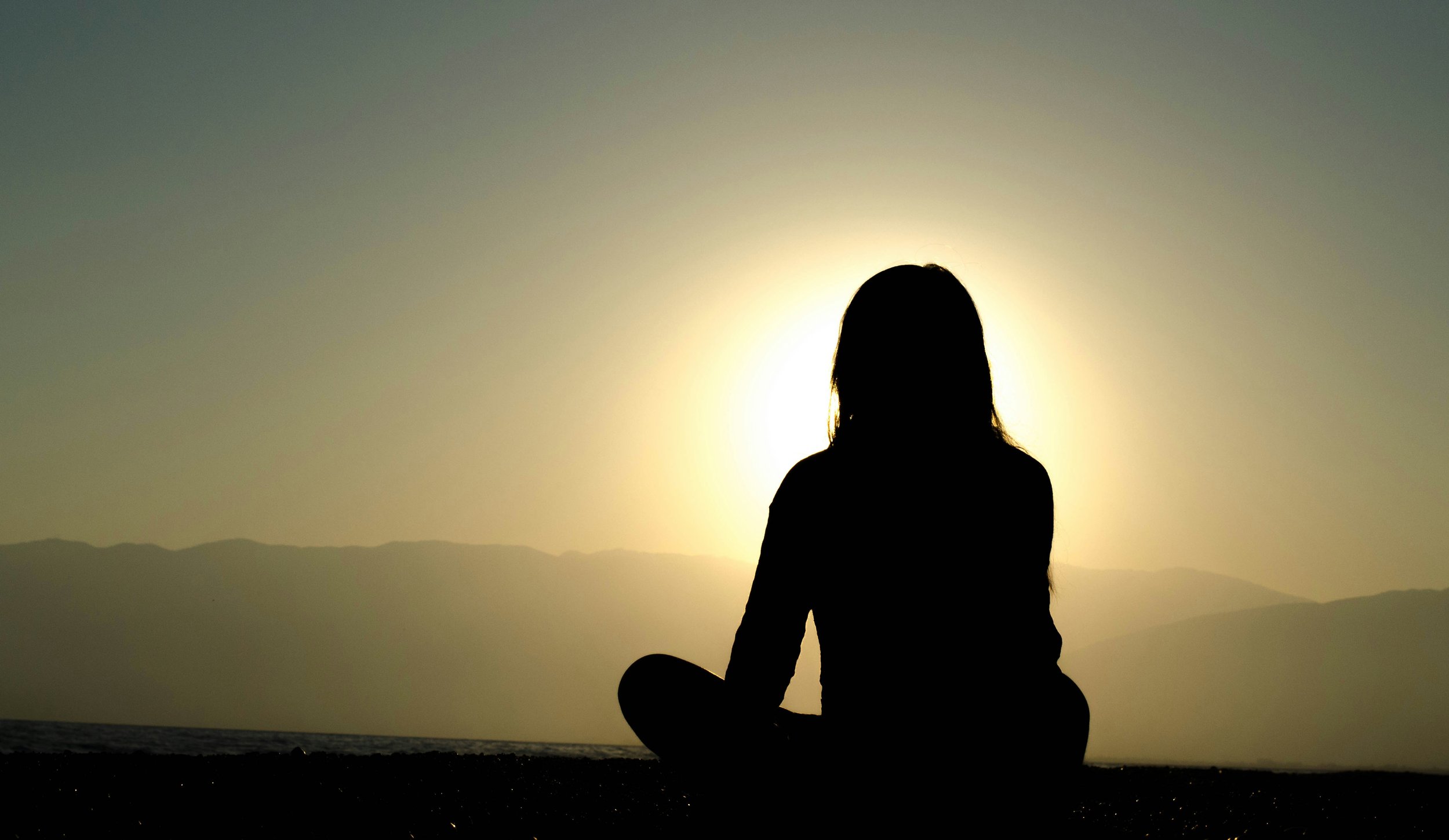
Almost everyone says the same thing when it comes to meditation: I’d love to do it, but I just don’t have the time.
That makes sense. Life feels full, days feel fast and our mind is already juggling a thousand things before you even get out of bed. It feels like adding one more habit is impossible.
But here’s the quiet truth most people don’t expect: meditation doesn’t take time. It gives time back.
When you begin meditating, even for just a few minutes a day, you start to notice something subtle but powerful. You become clearer about what actually matters and almost without trying, you begin to let go of what doesn’t.
As your mind becomes calmer, your decisions become simpler. You stop spending time on things that don’t align with how you want to feel. Your focus sharpens and your days flows more smoothly.
Instead of rushing through life, you begin to move through it with intention.
People often say, “I don’t know how, but I’m getting more done.” That’s not because they’re doing more. It’s because they’re doing less of what doesn’t matter.
Meditation teaches you how to pause before you react and in that pause time expands.
A few minutes of stillness each day might just be the most efficient use of time you make all year.
Stress doesn’t just come from what happens to us, it comes from how our mind reacts to what happens. When our mind is constantly busy, worried, planning, or replaying the past, our body stays in a low-grade state of tension.
Meditation can gently interrupt that cycle and there is no “right” way to do it. One of the biggest reasons people give up on meditation is the belief that they’re doing it wrong. The truth is, meditation is not one thing but many doorways into the same “aware” place.
Here are a few ways to begin, starting with the simplest.
Guided Visualization is often the easiest place to start, especially if your mind tends to wander: a gentle voice to guide you through relaxing imagery; like being led, into stillness instead of having to find it alone.
Mantra Meditation uses a word or phrase repeated quietly to yourself, like “I am calm,” “Let go,” or “I choose ease;” gives your mind a soft anchor and helps quiet mental noise.
Breath focused Meditation follows the rhythm of your breath. Inhale deeply then exhale fully allowing all the tension and worry to melt away. When your mind wanders, you gently bring it back to focusing on your breath. I often count to begin to slow down my breath, 4 counts in and 8 counts out connects to your nervous system which then slows your mind.
Body scan Meditation brings attention to your physical sensations and by relaxing your body piece by piece. it removes tension and induces relaxation. You will be surprised when you focus on it how much tension we store in our neck, hips and feet.
Moving Meditation is great for those of us who struggle to sit still. Mindfully walking or gently moving can be a beautiful entry point. Awareness follows your motion instead of fighting it.
Each of these paths leads to the same place.
Choose the one that feels most supportive for you right now and create a new habit that feels nourishing and not demanding.
Step 1. Set an intention
Ask your self how you would like to feel this year and remind your self daily.
Step 2. Choose a realistic time of the day to set aside 10 minutes
Personally I prefer to meditate early in the morning before my family wakes. Consistency matters more than timing.
Step 3. Start Small
Begin with a few minutes. Two minutes is enough to create change when done daily. You can always build from there, but starting small removes resistance and builds trust with yourself.
Step 4. Create a calming space
Sit in the same place, light a candle, place your feet on the floor and take one slow breath before you begin.
These small rituals tell your body it’s safe to slow down.
Step 5. Experiment but then choose a method and stick with it
Pick one style; guided, breath, or mantra—and practice it daily for at least a week the familiarity will create ease.
Step 6. Let your thoughts come and go without worry
Your mind will wander and that is normal. Every time you notice and gently return, you are strengthening your focus, patience, and self-awareness.
Step 7. Finish with intention
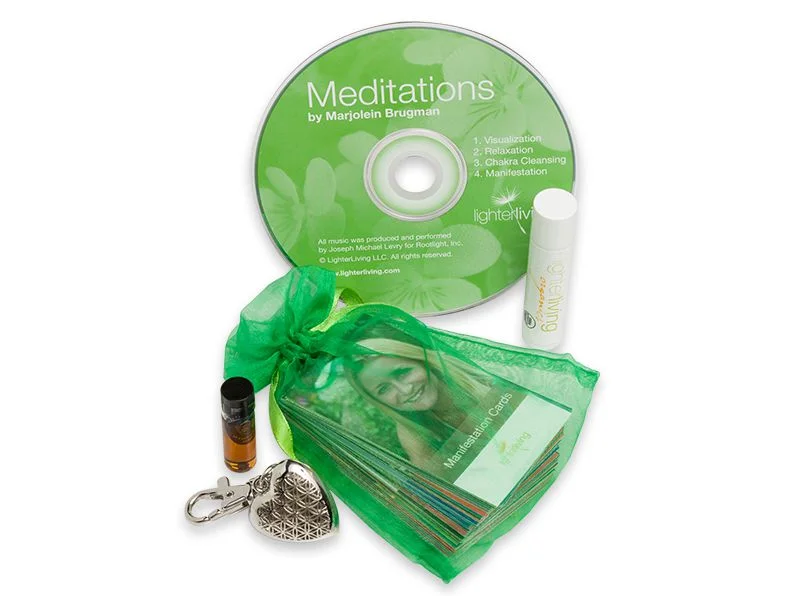
At the end of your practice, quietly set an affirmation for the day! If you have my Manifestation cards shuffle and choose on. Use this affirmation to set the tone for your day.
Lastly remember that you don’t need to meditate perfectly for it to work but showing up is what matters.
As you begin this new year, consider this practice a gift to yourself. A few minutes a day to breathe, to listen, and to reconnect with what’s steady inside you will calm your nervous system, restore your energy and lighten your life.
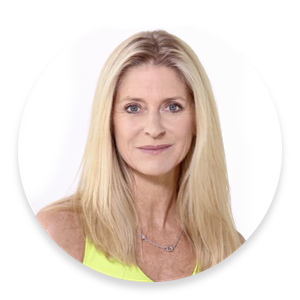 written by Marjolein Brugman
Marjolein Brugman is the founder of lighterliving and Aeropilates. “lighterliving is a movement and lifestyle choice we can all make. Let’s make it simple – make one decision a day to be better and watch the small steps lead to big changes. Eat smart, stay active, and you’ll live to feel a lighter life."