
I was sitting in my doctor's office, post menopause, when she slid my cholesterol results across the desk and said we needed to talk about statins. I looked at the numbers. My HDL, the protective good cholesterol was very high, my LDL was under 100 and my triglycerides were healthy. By every meaningful ratio the picture was excellent and the only number that concerned her was the total, which is simply the sum of everything, including the highly protective HDL that was doing exactly what it was supposed to do.
I asked her to walk me through what the numbers actually meant. She could not give me a satisfying answer so I went home and researched. Needless to say I did not fill the prescription.
What I found changed how I understood not just my own health but the entire framework through which most of us have been taught to think about fat, cholesterol and cardiovascular risk; a framework built on shaky foundations.
Total cholesterol as a single figure is almost meaningless as a cardiovascular risk marker, what matters is what that number is made of and the ratios between its parts.
HDL above 60 mg/dL is protective and above 70 is excellent so you want this number high. LDL is more nuanced than the simple bad cholesterol label suggests and exists in different particle sizes. Only the small dense variety are genuinely dangerous but a standard lipid panel does not distinguish between them, so you need an NMR particle size test.
Triglycerides are a far stronger predictor of cardiovascular risk than total cholesterol and they are driven almost entirely by sugar and refined carbohydrates, not dietary fat. The ratio that matters most is your total cholesterol divided by your HDL; under 4 is healthy and under 3.5 is excellent.
Inflammation is the real culprit in heart health. Cholesterol accumulates at sites of arterial inflammation in an effort to repair so treating your cholesterol without addressing inflammation is, as I like to say, prosecuting the ambulance for being at the scene of the accident.
After menopause this problem seems exacerbated. When your ovaries dramatically reduce their production of sex hormones, the liver compensates by increasing its cholesterol production. Why? Because cholesterol is the raw material from which your body makes every steroid hormone including estrogen, progesterone and testosterone. It also is essential for vitamin D production, for every cell membrane in your body and for neurological function in a brain that is sixty percent fat.
A rise in total cholesterol after menopause is normal and your body doing exactly what it was designed to do so prescribing a statin to a postmenopausal woman with high HDL and healthy LDL and triglycerides, on the basis of a the total number alone, is one of the most poorly considered routine interventions in modern medicine.
Statins are one of the most profitable drug classes in the history of modern medicine and they work by inhibiting the liver enzyme responsible for producing cholesterol. They lower your blood cholesterol numbers but the side effects are not trivial. Many women experience muscle pain and weakness, brain fog, and a depletion in CoQ10 which is the essential enzyme for heart muscle function. If you are on a statin be sure to supplement with CoQ10. Statins are also associated with increased type 2 diabetes risk and can impair cognitive function.
If your doctor recommends a statin, ask him/her: what is my HDL to total ratio? What are my triglycerides? Has my LDL particle size been tested? What is my hs-CRP inflammatory marker? Do I have established cardiovascular disease or is this primary prevention?
It is also suggested that dietary fat contribute to serum cholesterol. This fear of eating fat arose from the work of Ancel Keys, whose famous Seven Countries Study appeared to link fat intake to heart disease. What was not widely published was that he had data from twenty-two countries yet selected only the seven that supported his hypothesis. The others were quietly omitted! The resulting FDA low-fat guidelines made the food industry replace dietary fat with sugar and refined carbohydrates which has resulted in a global epidemic of obesity, type 2 diabetes and metabolic syndrome: exactly the diseases that those guidelines were supposed to prevent.
Eggs are another casualty of this era. For decades we were told that eating eggs raised your cholesterol but we now know that dietary cholesterol has minimal impact on blood cholesterol in most people because your liver knows how to adjust its production accordingly. Eggs are amongst the most nutritionally complete foods available and the advice to avoid them is wrong.
Should you find your cholesterol numbers concerning consider the following before using a statin.
Soluble fiber is one of the most evidence-based natural tools for lowering LDL. It forms a gel in the digestive tract that binds to bile acids, which the liver makes from cholesterol, and carries them out of the body. The liver then draws on circulating cholesterol to replace them, measurably lowering your LDL. A daily bowl of oats with ground flaxseed produces clinically measurable results within six to eight weeks.
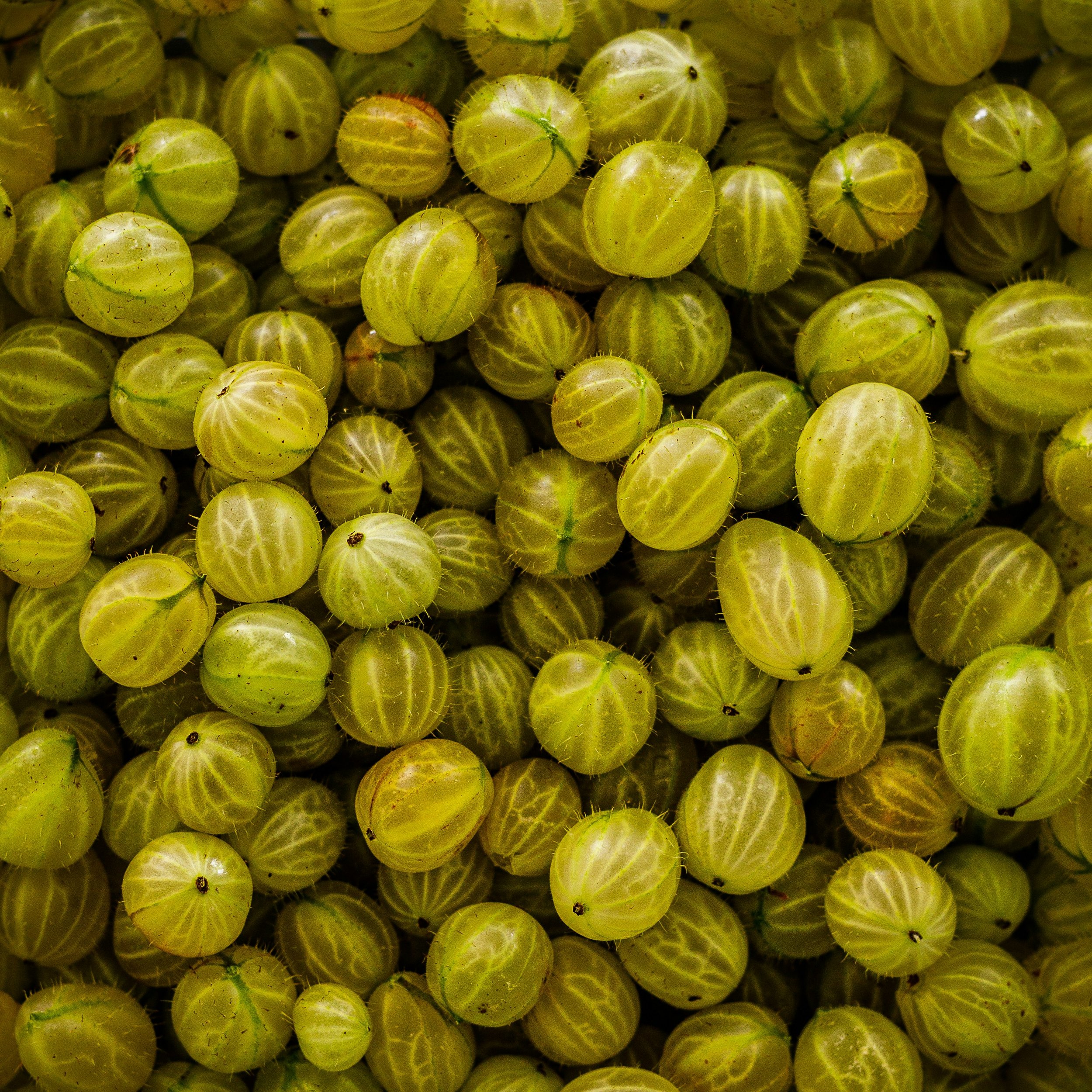
Amla, or Indian gooseberry, has been shown in multiple clinical trials to significantly reduce total cholesterol and LDL while raising HDL, reduce triglycerides and lower oxidative stress and inflammation. I take 1000mg daily and am growing the plants in my Todos Santos garden. I am already seeing the results in my numbers.
Red yeast rice contains the same active compound as a prescription statin, with solid evidence for modest LDL reduction. Use under practitioner guidance with CoQ10 awareness.
Berberine rivals some pharmaceutical interventions for cholesterol and blood sugar management and activates the same metabolic pathway as Metformin, exercise and fasting.
Omega-3 fatty acids reduce triglycerides significantly and support healthy HDL. Therapeutic doses require two to four grams of combined EPA and DHA daily.
Exercise raises HDL more reliably than almost any pharmaceutical. Thirty minutes of moderate movement, Aeropilates, walking or swimming five days a week produces measurable lipid improvements within weeks.
If you love smoothie try one teaspoon amla powder, one cup frozen wild blueberries, half a banana, one tablespoon ground flaxseed, one teaspoon turmeric, a quarter teaspoon black pepper, one cup unsweetened almond or oat milk, a small handful of spinach and a teaspoon of raw honey if needed. Blend until smooth.
The flaxseed delivers the soluble fiber that directly lowers LDL. The amla and turmeric address inflammation. The blueberries provide polyphenols. This single glass covers cardiovascular health, hormonal support, microbiome nourishment and anti-inflammatory support simultaneously.
Your cholesterol number is not your destiny but a data point that requires context, ratio and the full picture of your inflammatory status to mean anything at all. Do not let a single number on a lab report become the story of your health.
 written by Marjolein Brugman
Marjolein Brugman is the founder of lighterliving and Aeropilates. “lighterliving is a movement and lifestyle choice we can all make. Let’s make it simple – make one decision a day to be better and watch the small steps lead to big changes. Eat smart, stay active, and you’ll live to feel a lighter life."