
The rise of colon cancer in America
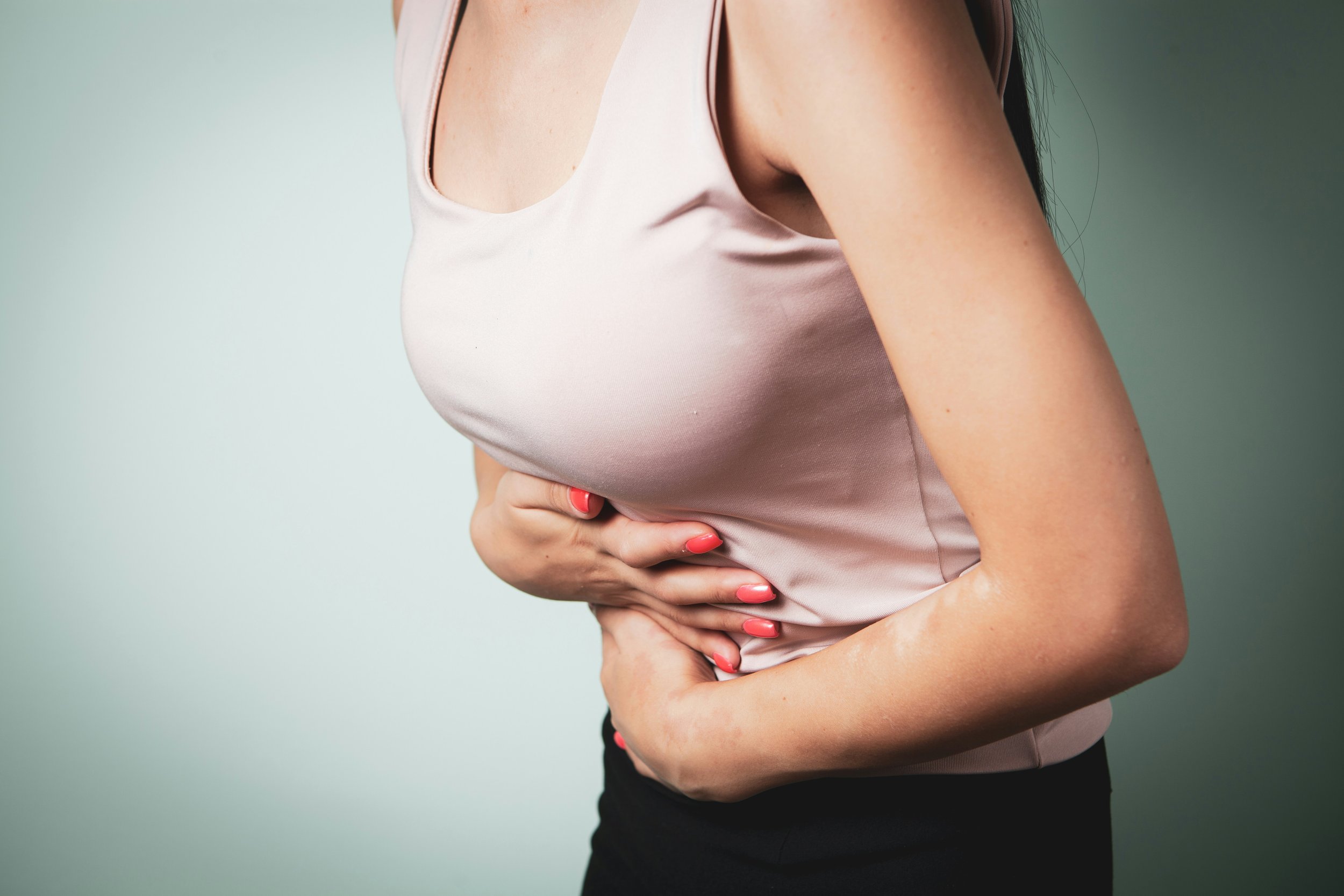
In the past month three friends have been diagnosed with intestinal blockages requiring surgery. Three people, similar age group, all of them dealing with a colon that has simply stopped working the way it was designed to work. I am perplexed. Why is this happening?
The research on colorectal health and the modern food supply in America is so clear and so consistent that it is impossible to look at what is happening to my friends and not connect it directly to what we have been eating.
In 1958 just one percent of the American population had diagnosed diabetes. Today that figure is 9.4 percent — nearly ten times higher in less than seventy years. Type 2 diabetes related mortality more than doubled between 1999 and 2023 alone.
Colorectal cancer, once considered a disease of older adults, is now the leading cause of cancer death in Americans under fifty. Rates in people younger than fifty have increased by nearly three percent every single year since 2013. The incidence of early onset colorectal cancer is projected to increase by more than 140 percent by 2030. The proportion of patients diagnosed under fifty-five has almost doubled since 1995 — from eleven percent to twenty percent in a single generation.
Diverticulosis, the condition that precedes diverticulitis and the intestinal blockages my three friends are recovering from, affects approximately fifty percent of the older adult population in North America. In developing nations in Africa and Asia, where ultra-processed food has not yet displaced traditional diets, the prevalence is 0.5 percent. The same condition; a hundredfold difference in rates, explained almost entirely by what we eat.
This did not happen because of genetics. It happened because our food supply changed radically, deliberately and profitably for food manufacturers that engineered the change at an enormous cost to everyone else.
Now let me explain the mechanism, because understanding how ultra-processed food damages your colon changes everything about the choices you can make at a supermarket.
Your colon moves waste through a process called peristalsis which is the rhythmic muscular contractions that propel material along the length of your bowel. Peristalsis depends above everything else on dietary fibre. Fibre provides the bulk that gives your colon something to grip onto and without adequate fibre, waste becomes compact, dry and difficult to propel. It sits, stagnates and presses against the walls of your colon with increasing force, eventually creating small pouches called diverticula that become the site of infection, inflammation and in severe cases a blockage that requires surgical intervention.
The average adult needs between twenty-five and thirty-five grams of dietary fibre per day but sadly the average American consumes only between ten and fifteen. This is a chronic deficit that accumulates over decades into exactly the structural consequences my friends are facing right now.
Ultra-processed food is almost entirely devoid of dietary fibre. The refining process that produces white flour, white rice, refined sugars and processed cereals strips away the fibre along with most of the nutritional content of the original food and what remains is rapidly digestible, highly palatable and nutritionally hollow.
At the same time ultra-processed food actively destroys your gut microbiome; the community of trillions of beneficial bacteria that line your colon and play a critical role in bowel motility, immune function, inflammation and the health of the intestinal wall itself.
The emulsifiers used in processed food to improve texture and shelf life like polysorbate 80 and carboxymethylcellulose are shown, in research, to disrupt the mucus layer that protects your intestinal wall and alter the composition of the gut microbiome, increasing intestinal permeability in ways that drive chronic inflammation throughout your body.
Chronic inflammation in your colon, sustained over years by a combination of fibre deficiency and microbiome disruption, creates the conditions for diverticulosis, diverticulitis and the blockages that so many people are experiencing at younger and younger ages. The hospitalization rate for diverticulitis increased 32 percent between 1997 and 2018 alone and the average age of patients is dropping.
This is the predictable biological consequence of feeding a colon designed for real food a diet of industrial products for decades.
My friends are recovering. They are tough and determined and they will be fine although I think about them every time I stand in a supermarket, every time I pick up a product and read the ingredient label and find the additives, the refined ingredients and the hidden sugars that are quietly doing to millions of colons what they did to my friends.
Let’s start by questioning whether we are eating real food? Real food that grew in the ground or on a tree or in the sea or was raised on a farm by someone who understood what they were doing? Food that my great-grandmother would have recognized as food?
As I mentioned earlier our food supply has changed so dramatically in the past half century that knowing what is safe and real has become genuinely complicated. The middle aisles of a supermarket are full of products that look like food, are marketed as food and are consumed as food but in the most important sense, it is questionable and not food at all.
The term ultra-processed food was developed by Brazilian nutrition researcher Dr Carlos Monteiro and his NOVA classification system, which ranks food not by its nutrient content but by the degree of industrial processing it has undergone.
Ultra-processed foods are not simply foods that have been cooked or preserved but industrial formulations made primarily from substances extracted from food like refined sugars, refined oils, hydrolyzed proteins and modified starches combined with additives that have no culinary function and exist solely to make the product look better, last longer, taste more intensely or create a texture that is difficult to stop eating.
The defining characteristic of ultra-processed food is that it could not be made in a domestic kitchen. Not because the recipe is complicated but because the ingredients: the emulsifiers, the humectants, the flavour enhancers, the artificial colors and the preservatives are not available to a home cook because they are industrial compounds, hardly food.
I am suggesting that if you cannot make it at home from ingredients you can buy at a farmers market, it is probably ultra-processed. The single most useful skill we can develop in a modern supermarket is the ability to read an ingredient label before reading the marketing on the front of the packet.
The front of the packet will tell you the product is natural, wholesome, high in protein, low in fat, made with real fruit, a good source of fibre or any number of other claims that are largely unregulated and frequently misleading. Ignore the front entirely and turn it over.
Ingredient lists are ordered by weight from highest to lowest. Whatever appears first is present in the greatest quantity so if sugar, refined flour or a refined oil appears in the first three ingredients, put it back.
Count the ingredients. Real food has few ingredients because real food does not need much added to it. A jar of good tomato passata has tomatoes and perhaps salt. A bag of good oats has oats and a piece of good cheese has milk, cultures, rennet and salt. If a product has more than five or six ingredients, be suspicious.
Look for ingredients you cannot pronounce or would not find in your kitchen. Sodium stearoyl lactylate, Carrageenan, Polysorbate 80, Azodicarbonamide. These are not foods but industrial additives and their presence in a product is a reliable signal that the product is ultra-processed.
Watch for hidden sugars. Sugar appears on ingredient labels under over sixty different names including high fructose corn syrup, dextrose, maltose, rice syrup, agave nectar, cane juice, fruit juice concentrate and many others. Food manufacturers surreptitiously use multiple different sugar sources in the same product specifically to prevent any single one from appearing too high on the ingredient list.
Beware of health halos. Gluten-free, organic, vegan, non-GMO, natural — none of these terms necessarily means that a product is good for you. Organic ultra-processed food is still ultra-processed. Vegan junk food is still junk food. These labels address a single characteristic of a product while telling you nothing about its overall quality nor the degree to which it has been industrially manipulated.
The Oils Question
One of the most significant changes in the food supply over the past century has been the replacement of traditional fats like butter, lard, tallow, olive oil and coconut oil with their cheaper toxic counterparts: industrial seed oils.
Soybean oil, canola oil, sunflower oil, safflower oil, corn oil, palm oil and cottonseed oil are extracted from their source materials through industrial processes involving high heat, chemical solvents and deodorisation. The resulting oils are highly unstable and rich in polyunsaturated fatty acids that oxidize rapidly when heated, producing aldehydes and other toxic compounds. They are also extraordinarily high in omega-6 fatty acids, which in excess relative to omega-3s drive the chronic inflammation that underpins most modern diseases.
These oils are in almost everything in the middle aisles of a supermarket and in most fried foods served in restaurants. They are in crackers, chips, biscuits, salad dressings, sauces, marinades, ready meals, breads and cereals. They are cheap, they are shelf stable and they are, I believe, one of the most significant contributors to the chronic disease epidemic of the modern world.
At home I use olive oil, coconut oil, grass-fed butter, ghee and avocado oil. I do not buy products that list seed oils as a primary ingredient. This single change: removing industrial seed oils from your kitchen and your shopping basket, is one of the highest-impact dietary decisions you can make.
The Sugar Reality
The average American consumes approximately seventeen teaspoons of added sugar per day. The World Health Organisation recommends fewer than six!! The gap between those two numbers explains a great deal about the chronic disease landscape of modern American life.
Sugar is not simply an empty calorie but at the levels it is consumed in the modern food supply it is a metabolic toxin. Fructose, which makes up half of table sugar and nearly all of high fructose corn syrup, is metabolized exclusively by the liver. In the quantities delivered by a diet of ultra-processed food it overwhelms the liver's processing capacity, driving fat production, insulin resistance, non-alcoholic fatty liver disease and the metabolic syndrome that is the precursor to type 2 diabetes and cardiovascular disease.
It is also engineered to be addictive. The combination of sugar, salt and fat in specific ratios, what food scientists call the bliss point, activates the same dopamine reward pathways as addictive drugs. This is not an accident but a deliberate outcome of decades of food industry research into what combinations of these compounds produce the most consumption. Ultra-processed food is designed, at the neurological level, to override your satiety signals, making it addictive and difficult to avoid.
Understanding this removes the moral dimension from overeating ultra-processed food. You are not weak-willed but are responding exactly as the product was engineered to make you respond.
Real food does not need a health claim because it does not need to convince you it is healthy. It simply is.
Vegetables and fruit should be consumed as close to how they came out of the ground as possible. Ideally they should be free from pesticides and fresh. The more variety and the more color the better.
Quality protein like eggs from pasture-raised hens, wild-caught fish, grass-fed and finished beef, organic free-range chicken, legumes and pulses should be sourced from an animal that lived as it was supposed to live or a plant that was grown as it was supposed to grow.
Real fats that contain Omega 3 like olive oil, coconut oil, avocado, butter from grass-fed cows and the fat that naturally occurs in quality meat and fish and eggs are not your enemy but are essential for optimum cognition and health.
Whole grains like oats, brown rice, quinoa, buckwheat should be minimally processed, recognizably themselves. Try to avoid the flour-based products with a whole grain claim on the front.
Fermented foods like kefir, yoghurt, kimchi, sauerkraut, miso, tempeh are alive with the beneficial bacteria that supports your gut microbiome and by extension your immune system, your mood and your cognitive function.
Herbs and spices can be fresh and dried to be used generously and without restraint. They are among the most nutrient-dense and medicinally powerful foods available yet we use them as afterthoughts when we should be treating them as essentials.
When I am standing in a supermarket or a market confused and not sure whether something belongs in my basket, I ask one question. Did this exist when I was a child?
Did people eat eggs, grass-fed beef, fermented vegetables or did we eat processed cereal bars fortified with synthetic vitamins and sweetened with high fructose corn syrup? Did we eat low-fat flavored yoghurt stabilised with modified starch and sweetened with fruit concentrate? The answer is obvious.
It is not a perfect test but a useful one.
The food that sustained human health for the overwhelming majority of human history looks almost nothing like what fills the centre aisles of a modern supermarket. The diseases that are killing us at epidemic rates — obesity, type 2 diabetes, cardiovascular disease, certain cancers, autoimmune conditions — were rare or absent in populations eating traditional real food diets and have exploded in direct proportion to the industrialisation of the food business.
You do not need to overhaul everything at once but if you can clear one category of ultra-processed food from your kitchen this week: the crackers, the breakfast cereals, the bottled salad dressings, the flavoured yoghurts and replace them with real food equivalents that is a good start.
Try oats instead of breakfast cereal, simple olive oil and lemon dressing instead of a bottled one, plain full-fat yoghurt with fresh fruit instead of the flavoured variety.
Notice how you feel; your energy, your digestion, your satiety and the quality of your hunger. Real food communicates with your body in a language your body understands whilst ultra-processed food speaks a different language entirely and your body spends an enormous amount of energy trying to decode it.
I invite you to eat real foods as close to their natural state as possible cooked in your kitchen and shared with those you love. That is not a diet. That is a life.
Sources: Diabetes 1958 versus today — CDC National Diabetes Statistics Report via Medical News Today. Colorectal cancer under-50 rates — American Cancer Society Cancer Statistics 2024. Early onset projection — Fight Colorectal Cancer citing American Cancer Society. Diverticulosis prevalence comparison — Medscape Diverticulitis Epidemiology. Hospitalisation rate increase — PMC NIH Epidemiology of Diverticulitis.
 written by Marjolein Brugman
Marjolein Brugman is the founder of lighterliving and Aeropilates. “lighterliving is a movement and lifestyle choice we can all make. Let’s make it simple – make one decision a day to be better and watch the small steps lead to big changes. Eat smart, stay active, and you’ll live to feel a lighter life."